How Is a Dental Implant Placed?
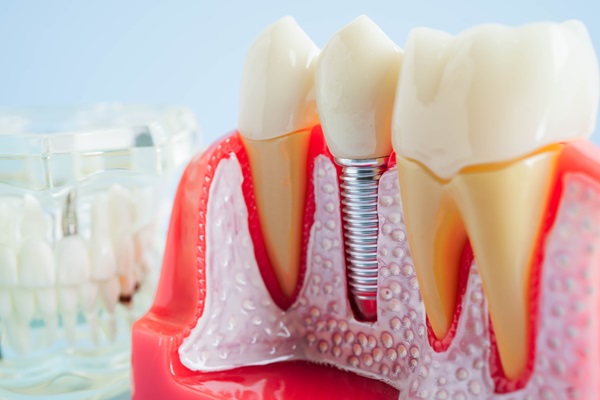
The placement of dental implants is an intricate process involving the insertion of titanium posts into the jawbone. The posts mimic the functions of the natural tooth roots by fusing to the jawbone and support the replacement tooth attached to them. The process involves multiple dental implants, but the process is generally worth the trouble. Continue reading to get an overview of what is involved in placing dental implants.
The implant procedure
The number of missing teeth determines the number of implants required. Only one implant is needed for a lost tooth, and four to six implants may be used to support an entire arch of missing teeth.
The process of placing one dental implant lasts between 30 to 60 minutes and about two to three hours for multiple implants. The patient’s condition will determine the length of the procedure and the number of appointments needed. The dentist will perform the needed assessment to obtain information about the patient’s situation.
Before the placement, patients may be administered a course of antibiotics, and intravenous sedation or nitrous oxide might be used to ensure comfort. The dentist will discuss these options during the initial consultation. A local anesthetic will be used around the point of implant placement.
When the patient is at ease, the dentist will create a little incision over the gum tissue to access the bone, open the space with dental tools, and insert the implant post. The head of the implant will protrude slightly through the gum. The dentist may choose to allow the gum tissue to cover the implant completely. The gum tissues will be stitched closed to complete the implant placement.
After the procedure
The healing period follows the implant placement process. The duration is hardly the same for everyone and depends on the health and quantity of the bone. Patients may experience slight pain after the procedure, but the dentist will prescribe medications to relieve the pain. If self-dissolving stitches are not used, patients will return to get the stitches taken out.
Sometimes, a restoration may be attached immediately after implant placement. The dentist will provide suggestions on follow-up care and appointments. After the bone heals around the implant – a process which may take between three to six months – the dentist will place the abutment or a healing cap on the implant. This will guide the gum tissue healing, and the abutment will serve as the connection between the restoration and the implant.
The dentist will take dental impressions and send them to a dental lab to produce the dental crown. Follow-up appointments allow the dentist to monitor healing progress and determine when the time is right to attach the dental restoration. The implant procedure ends once the crown is fitted over the dental implant.
In conclusion
The placement of dental implants is a multi-stage process. Considering that implant restorations look, function, and feel like natural teeth, the lengthy process is usually worth it. If you are considering the procedure, book an appointment with the dentist to discuss eligibility and the process.
Request an appointment here: https://www.midtowndentalclinic.com or call Midtown Dental at (509) 946-1678 for an appointment in our Richland office.
Check out what others are saying about our dental services on Yelp: Dental Implants in Richland, WA.
Related Posts
Dental implants are a highly effective solution for replacing missing or damaged teeth. They offer a permanent and durable option that not only restores the function of the teeth but also enhances the smile's appearance. As a modern and advanced treatment, dental implants have become the preferred choice for individuals seeking a long-lasting and natural-looking…
A general dentist is one of your first lines of defense against gum disease through preventive treatment. With biannual dental cleanings and professional treatments, a dentist can help you avoid tooth loss and invasive procedures. This professional dental care can give you a leg up in the fight against gum disease and help you maintain…
A general dentist helps ease new and lasting tooth sensitivity. This dental issue may be rooted in something as simple as brushing the teeth too hard. Alternatively, it may indicate an underlying oral health condition, like gum disease, that needs restorative treatment. Understanding tooth sensitivity, its causes, and how it is treated can inform patients…
A general dentist can perform dental X-rays as part of a routine dental checkup. These scans are recommended every year or two to reveal a patient's oral health below the gum line. While most adults have already had them at some point, it is common to want to learn more about what they do, their…